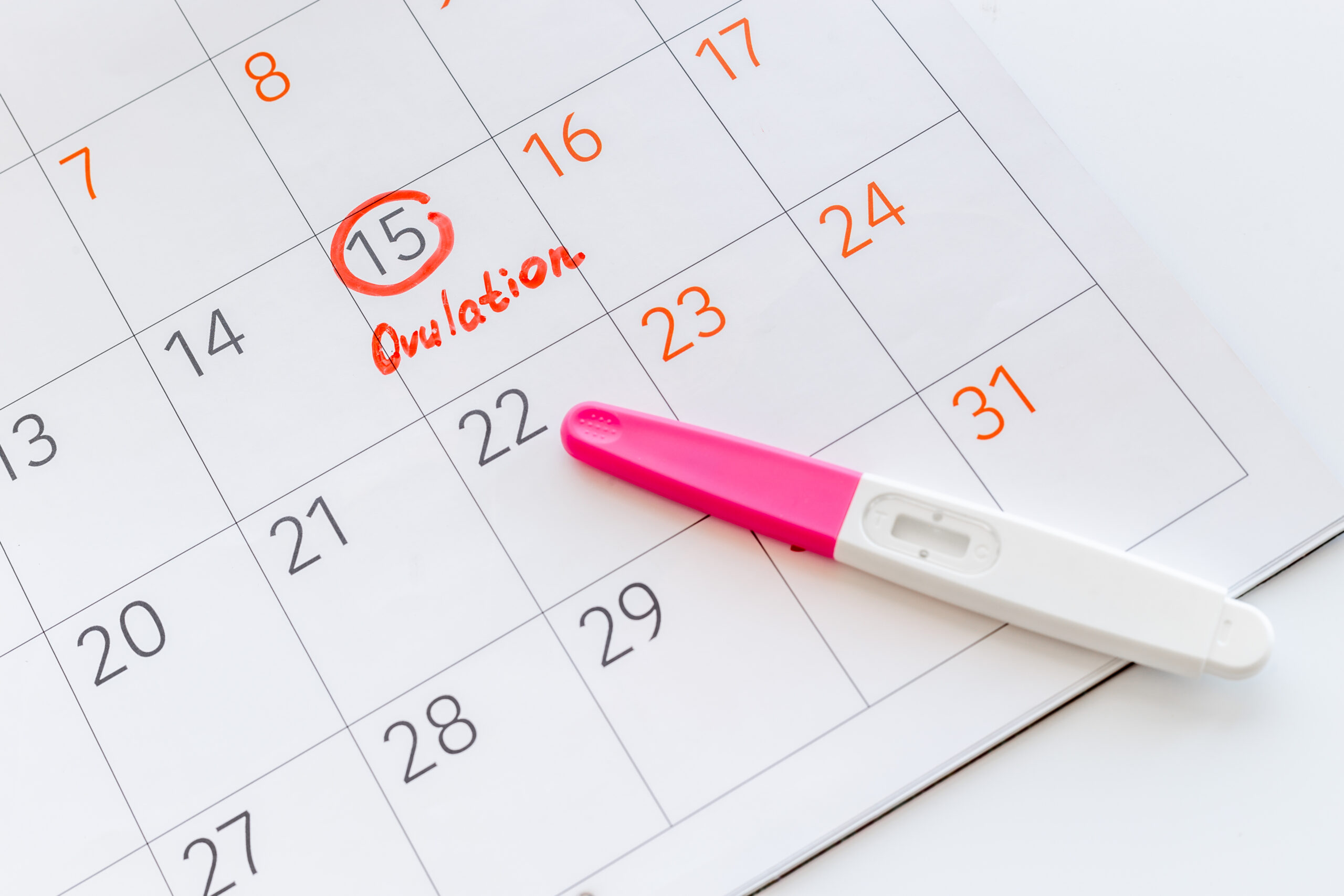
Ovulation is a key phase of the menstrual cycle and plays a central role in fertility and hormonal balance. Whether you are trying to conceive, avoiding pregnancy, or simply learning more about your body, understanding ovulation can help you better track and interpret your cycle.
Although it happens once each cycle, ovulation influences several physical and hormonal changes that many women can learn to recognize.
What Is Ovulation?
Ovulation occurs when one of the ovaries releases a mature egg. This typically happens once per menstrual cycle. After release, the egg travels through the fallopian tube, where it may be fertilized. The egg survives for about 12 to 24 hours.
Sperm, however, can live inside the reproductive tract for up to five days. Because of this, pregnancy can occur if intercourse takes place in the days leading up to ovulation. This timeframe is known as the fertile window.
Ovulation usually occurs about 14 days before the start of your next period. While many people think of a 28-day cycle as “normal,” cycle lengths vary, and ovulation timing can shift from month to month.
Why Ovulation Matters
Ovulation is essential for pregnancy, but it also reflects overall hormonal health. Regular ovulation often indicates that hormones such as estrogen and progesterone are working in balance.
If ovulation does not occur consistently, it may lead to irregular cycles or difficulty conceiving. Paying attention to ovulation patterns can provide valuable insight into your reproductive health.
Signs That Ovulation May Be Approaching
Some women notice physical changes around ovulation, while others may not experience noticeable symptoms. Common signs can include:
- Clear, stretchy cervical mucus
- Mild cramping on one side of the lower abdomen
- Slight increase in basal body temperature after ovulation
- Breast tenderness
- Increased libido
- Light spotting
These symptoms can vary in intensity and may not happen every cycle.
When to Talk to Your OB/GYN
Occasional cycle variation is normal. However, you should speak with your OB/GYN if you experience:
- Very irregular or absent periods
- Difficulty identifying ovulation
- Painful ovulation symptoms
- Trouble conceiving
We can help to evaluate your cycle, discuss possible causes, and recommend appropriate next steps if needed.
If you have questions about ovulation or concerns about your fertility, Contact our OB/GYN specialists at Capital Women’s Care at 571-500-2273. We’re here to help you better understand your body and support your reproductive health.